
Aluminium Windows in Bangalore: A Complete Buying Guide
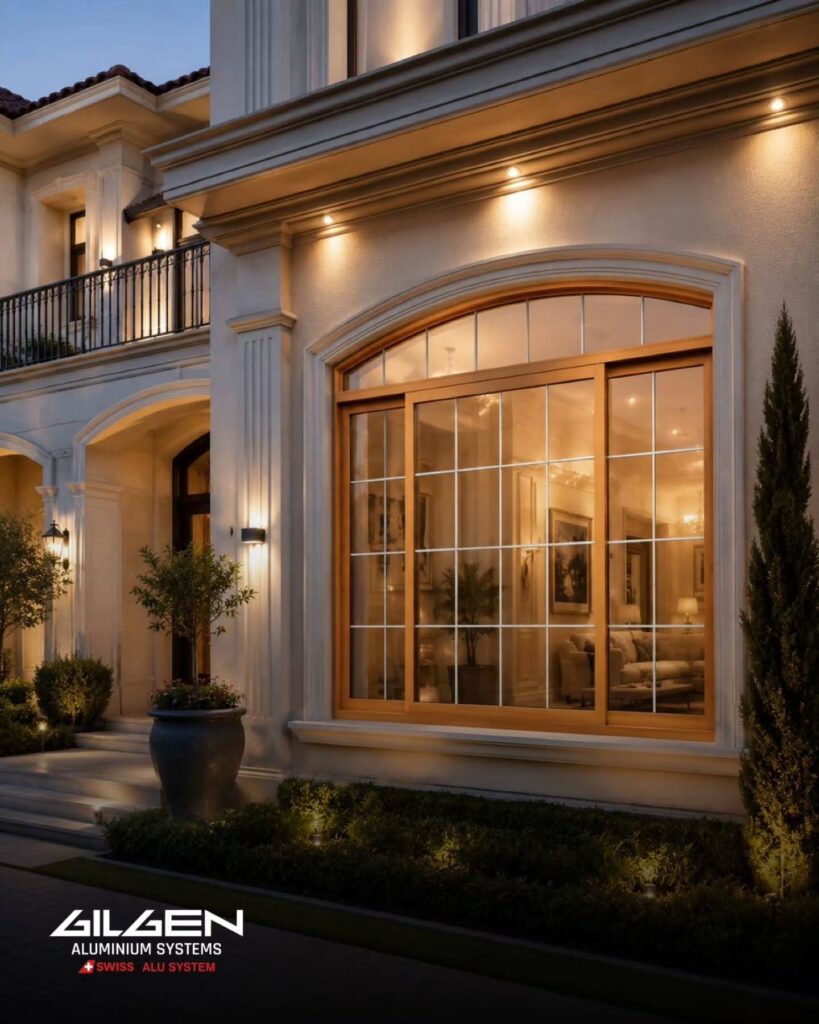
Aluminium windows show up in almost every new building going up in Bangalore right now, from villas in Sarjapur to IT campuses along Outer Ring Road. That’s not just a design trend. Bangalore’s weather swings between sharp UV, dusty summers, and heavy monsoon rain, and aluminium frames handle all three better than wood or basic uPVC, often lasting 15 to 20 years or more.
But not every aluminium window performs the same. Profile thickness, glazing choice, hardware quality, and how well it’s installed all decide whether a window actually holds up against wind driven rain, or keeps out traffic noise near a busy road like Hosur Road or Whitefield.
This guide walks through what aluminium windows are made of, how they compare with uPVC and wood, the different types you can choose from, what actually drives the cost, and where architects and facility managers tend to go wrong when specifying or installing them. If you’re weighing windows for a home, an office fit out, or a hospital wing, this should give you enough to have a real conversation with your supplier.
What Are Aluminium Windows
An aluminium window starts with an extruded aluminium frame. That frame gets finished either by powder coating, usually 60 to 80 microns thick, or by anodizing, usually 15 to 25 microns for outdoor use. The glazing sits inside the frame, held in place by EPDM rubber gaskets.
Older aluminium windows, the kind you still find in a lot of 1990s Bangalore apartments, used one solid piece of aluminium running from the outside face to the inside face. Metal conducts heat and cold well, so these older frames sweat with condensation and let outdoor heat pass straight through. Modern systems fix this with a thermal break, a polyamide strip fitted between the outer and inner aluminium sections that breaks that heat path. That one change is mostly what separates a basic aluminium window from a premium aluminium window today.
Hardware matters just as much as the frame itself. Multi point locking systems, roller mechanisms, and hinges decide how the window holds up after a few thousand open and close cycles, not just how it looks on the first day.
Why Aluminium Windows Work Well in Every Climate
Bangalore isn’t a harsh climate by Indian standards, but it still throws a few specific challenges at window systems.
Long sunny stretches through the year fade and chalk painted wood and low grade PVC faster than they affect a properly powder coated aluminium frame. Then June through September brings wind driven monsoon rain, especially on west facing and south facing facades, and water tightness ratings, tested under IS 13634 or the European EN 12208 classes, matter more here than most buyers realize. Dust and pollution are a daily reality too. Aluminium frames wipe clean, while wood swells and sticks and cheaper uPVC can yellow after years of sun. Aluminium also doesn’t attract termites, which matters for ground floor villas and older independent houses. And Bangalore sits in a moderate seismic zone, so aluminium’s lower weight compared to steel or heavy timber sections helps with facade load calculations on mid rise and high rise buildings.
None of this makes aluminium windows immune to problems. Poor installation can undo good material every time, and we’ll get into exactly how further down.
Types of Aluminium Window Systems
Aluminium Sliding Windows
Two track or three track sliding systems are the most common choice for apartments and balconies, mainly because they don’t need clearance space to swing open. They’re usually the most affordable type of aluminium window and work fine for moderate ventilation needs.
Aluminium Casement Windows
Casement windows hinge outward or inward and press against the frame when closed, which gives them better water tightness and air sealing than sliders. That’s why hospitals, wards, and villas in the higher rainfall parts of the city often go with casement systems.
Fixed and Picture Windows
These are non opening glazed panels, used where daylight and the view matter more than airflow. Think building lobbies, staircases, and facade sections in commercial towers.
Aluminium Tilt and Turn Windows
These open two different ways. You can tilt them inward from the top for ventilation, or swing them fully open for cleaning. They’re becoming more common in premium apartments and high rise units, where cleaning the outer glass safely is otherwise a real problem.
Aluminium Louvered Windows
Adjustable horizontal blades let you control ventilation while keeping most of the rain out. You’ll usually find these in industrial facilities, stairwells, and washrooms, anywhere constant airflow matters more than a fully sealed window.
Window Type | Ventilation | Water Tightness | Best Use Case |
Sliding | Moderate | Moderate | Apartments, balconies |
Casement | High (full opening) | High | Villas, hospitals, high rainfall zones |
Fixed/Picture | None | Highest (no moving parts) | Lobbies, facades |
Tilt and Turn | High, dual mode | High | Premium apartments, high rise units |
Louvered | Adjustable | Lower | Industrial units, stairwells, washrooms |
Aluminium Windows vs uPVC vs Wood
This is the comparison every architect and homeowner runs into sooner or later. Here’s how the three options stack up on the things that actually affect a building over time.
Parameter | Aluminium | uPVC | Wood |
Durability | Very high, doesn’t warp or rot | High, but can soften in extreme heat | Moderate, needs upkeep against moisture |
Maintenance | Low | Low | High (repainting, sealing) |
Thermal insulation | Good with thermal break | Very good (naturally low conductivity) | Good |
Sound insulation | Good with proper glazing | Good | Moderate |
Slim sightlines / design flexibility | Excellent | Limited (bulkier profiles) | Moderate |
Fire resistance | Non combustible | Combustible under high heat | Combustible |
Typical lifespan | 20 to 25+ years | 15 to 20 years | 10 to 15 years with maintenance |
Best for | Commercial facades, large spans, modern design | Cost sensitive fully sealed residential units | Heritage style bungalows |
Aluminium tends to win out where you need large glass spans, slim frames, or windows that can take heavy daily use. uPVC often makes more sense for smaller residential openings on a tighter budget. And wood still has its place, mainly where the design calls for a traditional look and the owner doesn’t mind the upkeep.
Energy-Efficient Aluminium Windows: Thermal Performance
India doesn’t get the extreme winters that make heat retention the main concern, the way it would in North India or Europe. Here the bigger issue is solar heat gain, meaning how much outdoor heat gets into an air conditioned office or home through the glass.
A few things affect this directly. Thermal break profiles cut down conductive heat transfer through the frame itself. Double glazing units, usually a 6mm 12mm 6mm glass air glass setup, add an insulating air or argon gap between the two panes. And Low E coated glass lowers the solar heat gain coefficient without noticeably darkening the glass.
On large commercial projects, window performance also feeds into Energy Conservation Building Code compliance, and it can add credits toward IGBC or LEED certification, something facility managers and developers are asking about more often at the design stage.
Expert tip. For west facing office facades in Bangalore, a low SHGC glass spec matters more than a slightly better U value. Heat gain through the glass, not heat loss, is usually what drives the cooling load here.
Aluminium Windows with Sound Insulation
For buildings along Outer Ring Road, Hosur Road, near the airport approach, or close to Metro construction corridors, sound performance often matters as much as thermal performance.
Sound reduction comes down to a few things. Laminated glass dampens sound transmission better than plain float glass of the same thickness. The width of the glazing gap in a double glazing unit also plays a role, since a wider air gap generally improves sound attenuation, though the ideal gap for acoustics isn’t the same as the ideal gap for thermal performance. And compression seals along with multi point locking help too, since they close up the air gaps around the sash that let sound leak through even when the glass itself is good.
Hospitals, recording studios, and offices near busy roads are where this gets specified most carefully. It’s also an area where a generic quote often misses the actual glazing spec that’s needed.
Aluminium Windows for Homes vs Commercial Buildings
Residential Aluminium Windows
For villas and apartments, the priorities are usually looks, security, and low upkeep. Slim aluminium sightlines suit contemporary architecture well, and things like integrated security grilles or child safety restrictors come up a lot in family homes. Aluminium windows for apartments also need to work with shared building facades, where the developer wants uniformity across units.
Commercial Aluminium Windows
Aluminium windows for commercial buildings, meaning offices, IT parks, hotels, malls, hospitals, and educational institutions, deal with larger spans, higher wind loads at height, and facade integration with curtain wall systems. A few things come up again and again on these projects. Fire rated glazing near escape stairs and corridors is required by fire safety codes for multi storey buildings. Motorized or tilt and turn options often make sense where cleaning access at height is a real constraint. And AMC coverage matters more here than in a home, since a glazing failure on a commercial facade can mean water damage to false ceilings, server rooms, or patient wards, and those repair costs dwarf what preventive maintenance would have cost.
Industrial facilities usually care more about ventilation and dust control than looks, which is why louvered or top hung casement systems tend to work better there than large sliding units.
How to Choose the Right Aluminium Window System
Start by checking the profile wall thickness. Thin walled, low cost extrusions flex more under wind load and wear out faster at the hinge points. Match the glazing to how the window will actually be used. A double glazing unit with Low E glass makes sense for a west facing office, but it’s overkill for a window looking into an internal courtyard. Ask about the hardware brand too, since imported hardware from names like Roto, Siegenia, or GU generally outlasts unbranded hardware once you factor in daily use over years.
It’s also worth asking for test certificates. Water tightness, air infiltration, and wind load ratings should be available for the specific profile system you’re being quoted, not just as a general claim. Pick the finish based on the exposure the window will face. Anodizing tends to hold up a little better in coastal or high pollution settings, while powder coating gives you a wider color range and is usually easier on the budget. And don’t stop at the profile brand. Look at the fabricator too, because even a good European or Indian profile system can perform poorly if the local fabricator’s cutting and welding tolerances are off.
Aluminium Window Installation: Considerations and Common Mistakes
Good material specified badly still leaks. Here are the mistakes that come up most often on Bangalore sites.
Skipping proper sealant and backer rod detailing around the window opening is probably the single biggest cause of monsoon leaks on new buildings. Weep holes get blocked too, often sealed shut by accident during exterior painting, which traps water inside the frame track. Sometimes hardware or gaskets from different systems get mixed to save cost, and that leads to premature seal failure within a couple of years. On upper floors of high rises, skipping proper wind load calculations can cause frame deflection and stress cracking at the corners.
There’s also the mismatch between the civil opening size and the window frame tolerances, which often gets patched on site with cement mortar packed around the frame. That fix creates a thermal bridge and tends to crack over time. And in commercial buildings, not specifying fire rated glazing near stairwells and escape corridors can turn into a compliance problem long after the building is already occupied.
Expert tip. For any facade with more than a few hundred square feet of glazing, ask for a site mock up water test before full installation starts. It costs a fraction of what fixing a leak across an occupied floor will cost later.
Cost Factors for Aluminium Windows
Aluminium window pricing varies a lot depending on the spec, and two quotes that look identical on paper can perform very differently in real life. The main things driving cost are the profile brand and wall thickness, the glazing type (single glass, double glazing, or double glazing with Low E coating), the window type (sliding usually costs less per square foot than casement or tilt and turn), the hardware (imported versus domestic), the finish (powder coating versus anodizing), how complex the installation is in terms of height, access, and facade integration, and what AMC and warranty terms are actually included.
Because of all this, a per square foot number quoted without knowing the glazing and hardware spec isn’t that useful for comparing vendors. It’s worth asking for a proper site assessment and a written specification before comparing anyone on price alone.
Maintenance and Lifecycle
Aluminium windows are low maintenance, not maintenance free. A basic seasonal routine, ideally done before and after the monsoon, covers most of it. Clean out the tracks and weep holes so water doesn’t pool and debris doesn’t build up. Lubricate the rollers, hinges, and locking hardware so multi point locks keep working smoothly. Check the gasket and seal condition every year or two, since these wear out faster than the frame itself. Powder coated finishes typically hold up 10 to 15 years before recoating is worth considering, while anodized finishes often go longer on frames that are well maintained.
With reasonable upkeep, a good thermal break aluminium window system commonly lasts 20 to 25 years or more. For commercial buildings, an AMC plan that covers preventive checks tends to cost far less over that time than dealing with repairs after a facade leak or hardware failure.
Safety Standards and Compliance
A few standards are worth knowing when you’re specifying or approving aluminium windows in India. BIS standards, including IS 733 and IS 1285, cover the aluminium alloy extrusions used in doors and windows and set requirements for alloy composition and mechanical properties. The National Building Code of India includes provisions relevant to fenestration, ventilation, and fire safety in multi storey buildings. And fire safety codes typically require fire rated glazing assemblies near escape routes and stairwells in commercial and institutional buildings.
None of this is complicated engineering. It’s just the kind of detail that gets missed when a project moves fast and window selection happens late in the schedule.
Aluminium Window Design Trends
Design preferences in Bangalore’s residential and commercial market have shifted quite a bit over the past few years. Sightline profiles are getting slimmer, maximizing glass area relative to the frame. Large format sliding and lift and slide systems are showing up more on pool facing villas and penthouse balconies. Matte black powder coat finishes are replacing the older silver and bronze anodized look. Premium office fit outs are adding motorized ventilation controls, and hardware is getting more minimal and concealed for a cleaner facade.
Modern aluminium windows are leaning into this cleaner, slimmer look, and that’s part of why aluminium keeps taking share from both wood and the older, bulkier uPVC frames in new construction.
Choosing an Aluminium Window Manufacturer
A few things separate a reliable aluminium window company from one that causes problems two monsoons in. Fabrication tolerances matter. So does documented test certification for the profile systems they actually use, an after sales and AMC team that responds when you call, and a track record on projects of a similar scale. A company that has handled hospital wings, IT park facades, or hotel exteriors understands constraints that a purely residential fabricator may never have run into.
Gilgen works across this full range in Bangalore, from residential aluminium windows for villas and apartments to premium aluminium windows for hotels, hospitals, and IT parks, along with installation, repair, modernizing older window systems, and ongoing AMC support. If you’re comparing vendors, ask each one directly about test certificates, hardware sourcing, and what their AMC actually covers. The answers tend to separate the real options pretty quickly.
Final Thoughts
Picking aluminium windows for a home or a commercial building really comes down to matching the specification to the actual conditions those windows will face. Sun exposure, rainfall direction, traffic noise, and building height all point toward different choices in profile, glazing, and hardware. The lowest quote rarely accounts for all of that, and that’s usually where problems show up a monsoon or two later.
If you’re planning a new build, a facade upgrade, or need to modernize aging aluminium windows on an existing property in Bangalore, it’s worth getting a proper site assessment visit GilGen.